
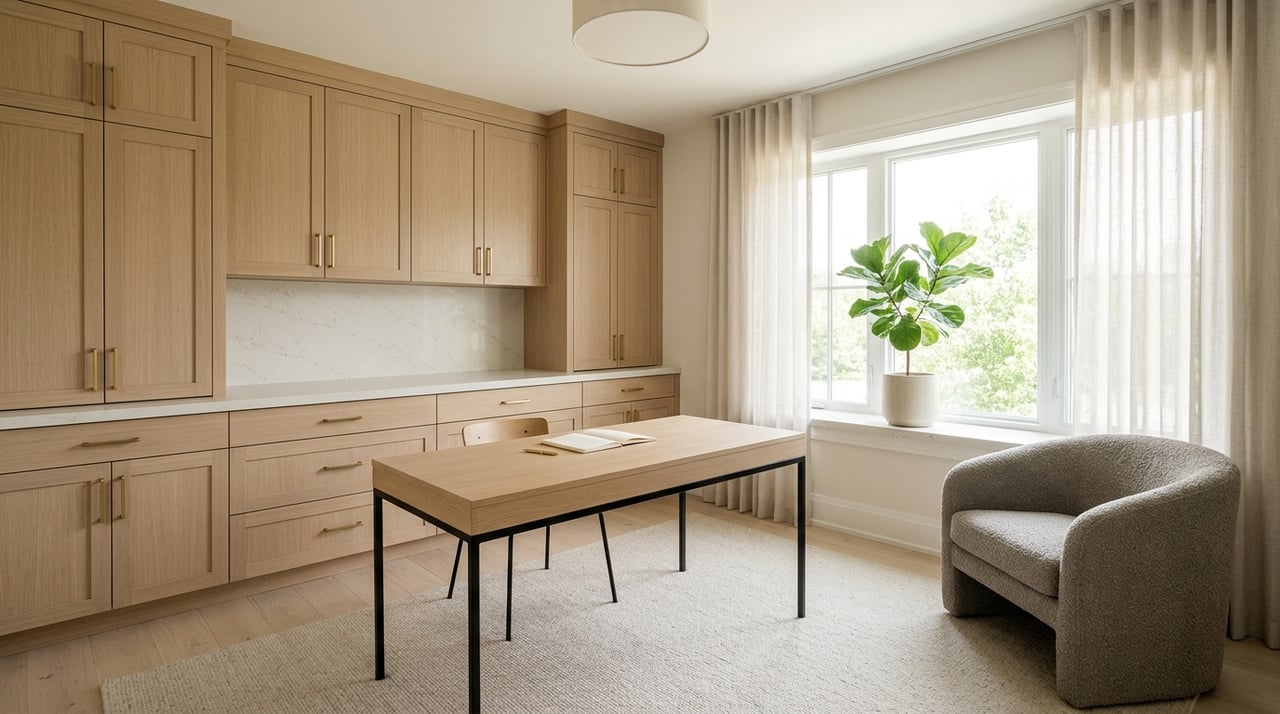
Thinking about moving to Chattanooga but not sure where to start? That is a common place to be, especially when you are trying to compare neighborhoods, set a realistic budget, and maybe even buy from out of town. The good news is that Chattanooga gives you a wide range of lifestyle options at price points that still sit below national benchmarks, and with the right plan, even a remote move can feel manageable. Let’s dive in.
If you are moving from a higher-cost market, Chattanooga may feel refreshingly attainable. According to Redfin’s Chattanooga housing market data, the city’s median sale price is about $335,000, while Zillow’s Chattanooga market profile reports a median sale price of $326,633, about 853 homes for sale, and around 40 days to pending.
Monthly housing costs can also look more approachable here. Zillow reports average rent at $1,499, with both home prices and rents running below U.S. benchmarks. For many buyers, that opens the door to neighborhoods and property types that might be harder to reach in other cities.
Relocation works best when you start with how you want to live day to day. In Chattanooga, your commute, outdoor access, walkability, and housing style can vary a lot by area, so it helps to narrow your search around lifestyle first and then refine by budget.
If you want a more walkable, premium in-town feel, North Chattanooga and North Shore are often top of the list. Visit Chattanooga’s North Shore guide notes that the area connects to downtown by four bridges, including the Walnut Street Bridge, and also offers access to Bike Chattanooga and a free electric shuttle.
This area tends to come with a higher price tag than the city overall. It is often a fit for buyers who want quick access to restaurants, parks, riverfront amenities, and a more connected urban lifestyle with single-family homes and some upscale options nearby.
If condo, loft, or townhome living sounds more like your style, downtown Chattanooga may be a strong fit. The area offers a more urban housing mix, and Visit Chattanooga’s City Center overview highlights the Innovation District and co-working options, which can matter if you work remotely or want flexibility close to home.
Downtown can make sense if you want lower-maintenance living and proximity to restaurants, employers, events, and riverfront attractions. It also gives relocating buyers a practical entry point into the market when compared with some of the city’s more premium neighborhoods.
If you want a more suburban setting with convenient access to outdoor space, Hixson is worth a close look. It is often associated with a mix of established neighborhoods and practical price points, and Visit Chattanooga highlights Chester Frost Park as a large lakefront park in Hixson less than half an hour from downtown.
For many relocating buyers, Hixson offers a middle ground. You can stay connected to the city while still prioritizing more space, a different pace, and easier access to the lake and recreation.
Ooltewah appeals to buyers looking for a suburban environment with parks, greenways, and a growing local hub. Visit Chattanooga describes Ooltewah and Collegedale as charming areas with greenways, parks, and Cambridge Square.
If you are comparing practical suburban options, Ooltewah often comes up because it offers a different rhythm from downtown living while still giving you access to everyday conveniences. Hamilton County Schools campuses in the area include Ooltewah elementary, middle, and high school, which can be useful context as you research location and services.
If your priorities include scenic views, trails, and a more elevated budget, Signal Mountain may stand out. Visit Chattanooga’s surrounding areas guide describes it as a mountaintop community about 20 minutes from downtown, with access to trails, Signal Point, and wide views.
Signal Mountain is usually one of the higher-priced options in the Chattanooga area. Buyers who focus here are often looking for a specific setting and lifestyle, with the tradeoff of a higher entry point than much of the city.
One of the biggest relocation mistakes is starting with broad assumptions instead of current market ranges. Chattanooga is not one uniform market, so a realistic budget depends a lot on the area and property type you want.
Here is a useful starting framework based on the research:
This range may fit:
If you are open on property type, this range can create more options. It is especially useful for buyers who want to stay relatively close to downtown without targeting the city’s most premium areas.
This range is often a practical search band for:
For many relocators, this is a sweet spot. It can open up more square footage, more neighborhood flexibility, or a better balance between commute and home features.
This range starts to align more often with:
If walkability or a more polished in-town neighborhood feel is a priority, this is where your search may begin to expand meaningfully.
This range is more likely to include:
At this level, location and setting often drive value as much as square footage. Buyers in this range usually benefit from a more targeted, neighborhood-by-neighborhood strategy.
When you are building a relocation budget, purchase price is only part of the picture. Property taxes can shift your monthly carrying costs enough that it is smart to evaluate homes by parcel, not just by neighborhood name.
The City of Chattanooga’s FY2025-26 tax rate information lists the city rate at $1.93 per $100 of assessed value, while Hamilton County’s certified rate is $1.51 per $100. Using Tennessee’s 25% residential assessment ratio referenced by the city, a $400,000 home in Chattanooga city limits implies about $1,930 in city tax before county taxes and fees.
That is why two homes with similar list prices can carry different long-term costs. As you compare options, make sure you look beyond the sticker price and review the full ownership picture.
Buying from out of town is absolutely possible in Chattanooga, but it works best when you use a step-by-step process. A remote move feels less risky when you separate early screening from final verification.
A smart approach often looks like this:
Tennessee guidance on purchasing a home states that a home inspection is not required before a sale or purchase, though it is recommended. That matters even more when you are buying remotely, because photos and walkthroughs are helpful, but they should not replace professional due diligence.
The same state guidance also notes that remote online notarizations are authorized after Secretary of State approval. For many out-of-town buyers, that can make the closing process more convenient. Hamilton County also advises new owners to confirm tax responsibility with the title company or closing statement, which is an easy detail to overlook during a long-distance move.
If you are feeling overwhelmed, keep your first pass simple. Think of North Chattanooga and North Shore as the premium walkable option, downtown as the condo and loft option, Hixson and Ooltewah as practical suburban choices, and Signal Mountain as the scenic premium option.
From there, compare your top two or three areas based on budget, property type, and daily routine. That approach keeps you from wasting time on homes that look good online but do not really fit how you want to live.
Relocating is a big move, but it does not have to be a guessing game. If you want local guidance on Chattanooga neighborhoods, price ranges, or a remote buying plan, The O'Neil Team can help you sort through the options and move forward with more confidence.
Whether you are a first time home buyer or have previous experience purchasing a home, Steve, Michelle & Parker's goal is to help each of our clients understand the market and navigate the process of buying or selling a home, and feel confident and at ease throughout the entire process.