
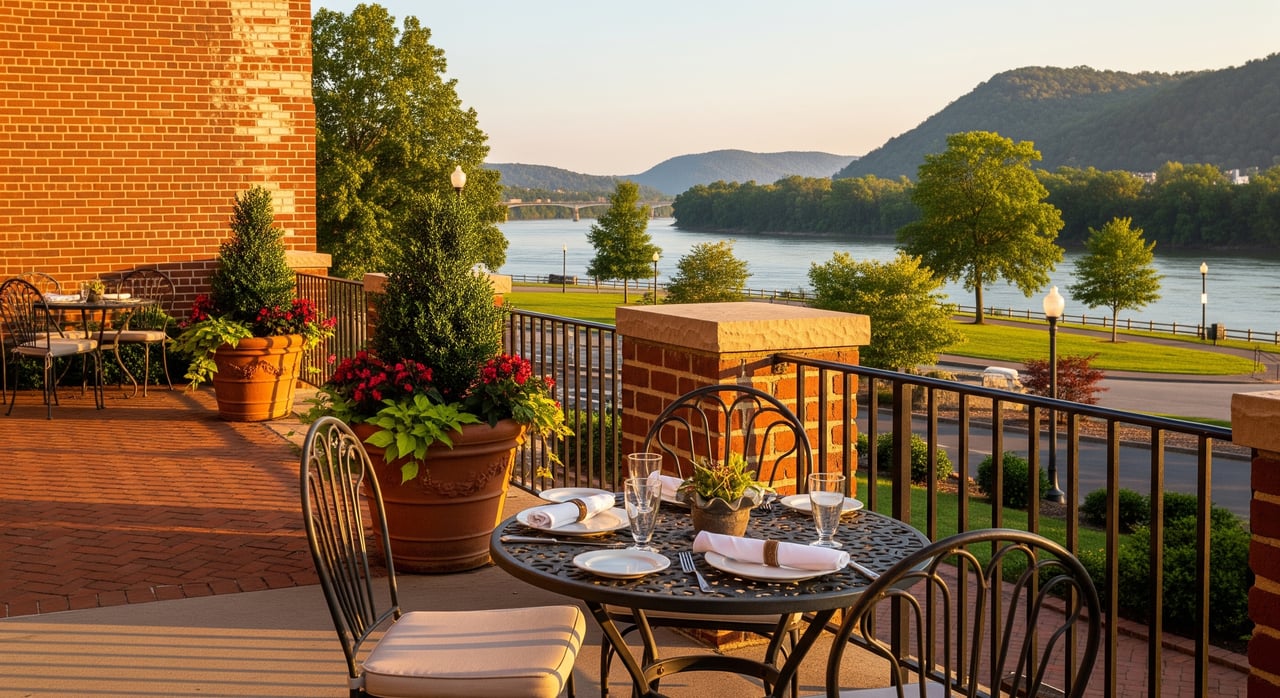
What if your morning walk crossed a landmark bridge with river views and your evening ended at a neighborhood café steps from a greenway? If you are weighing a move to North Chattanooga, you are likely looking for that mix of urban energy and everyday ease. In this guide, you will learn how the area is laid out, where you will play and dine, and the practical checks to make before you buy. Let’s dive in.
North Chattanooga generally refers to the part of the city north of the Tennessee River and downtown. For this guide, think of the riverfront and nearby residential streets anchored by the Walnut Street Bridge and the Northshore commercial corridor. You get quick access to downtown jobs and culture, plus a walkable pocket of parks, dining, and small shops. Housing here includes older bungalows and craftsman homes, renovated historic properties, and newer townhomes, condos, and apartments near main streets.
The lifestyle is active and convenient. You will see families, young professionals, and retirees sharing the sidewalks and greenways. Some blocks feel quiet and residential, while areas near the riverfront and parks see weekend foot traffic. If you want city access without giving up neighborhood life, this area is a strong match.
Walkability varies by block, but areas closest to the riverfront and main corridors are your most pedestrian-friendly. Paved riverwalk segments and greenways offer continuous routes for walking, running, and biking. Bike lanes and bike parking tend to be strongest near the river and along commercial streets. If walking to coffee or a park matters, test the route from specific addresses at different times of day.
CARTA, the local transit agency, operates bus routes that serve downtown and nearby neighborhoods. Schedules and frequency change, so check current routes before you plan a commute. Many residents use a mix of walking, biking, and short drives for daily errands. Downtown offices are typically a quick trip across the river during off-peak hours.
Street parking and small lots are common near restaurants and parks. On weekends and during events, expect higher demand for curb space. If you entertain often or rely on street parking, review posted curb rules and any permit zones. Visit in the evening and on a Saturday afternoon to see the real parking picture.
Riverfront park spaces are a central part of life here. You will find open lawns for picnics, playgrounds for kids, and paved paths for easy exercise. The greenway system runs along the Tennessee River and links to downtown and nearby districts. It is a simple way to build movement into your day without getting in the car.
The Walnut Street Bridge is a major pedestrian connection, drawing walkers, runners, and families from both sides of the river. It links riverfront parks to dining and small shops on the north side and cultural spots to the south. You can make a full afternoon of it with a loop that includes parks, a coffee stop, and a sunset stroll back across the bridge.
Just minutes from the river, you have access to an urban ridge and woodland area with looped trails and viewpoints. It is popular for quick hikes, trail runs, and dog walking. The convenience factor stands out: you can fit a nature break into a lunch hour or a short evening window. Expect shade, city views in spots, and well-used paths.
Living this close to the Tennessee River opens the door to kayaking and paddleboarding. Local outfitters operate seasonally, and rules can vary, so check hours and safety guidelines before you go. Calm stretches near launch points make it easy to get started. On a clear weekend, you will see a steady mix of paddlers and casual cruisers.
Riverfront parks and plazas often host farmers markets, concerts, and seasonal festivals. These events add energy and variety to your weekends. They can also bring temporary noise and tighter parking. If you prefer a quieter block, note event schedules and observe how traffic flows on busy days.
North Chattanooga and the Northshore area have a strong concentration of locally owned spots. You can find coffee and pastry in the morning, relaxed lunch options, and lively gastropubs and bars in the evening. Patios near parks are popular on nice days. The variety suits weeknight takeout as well as date nights.
You will have a mix of small markets and larger grocery stores within a short drive. Pharmacies, banks, and shipping centers cluster along the main corridors. If you prefer to run errands without crossing the river, map out your regular stops from a few candidate addresses. Convenience is highly block-specific here.
Expect independent boutiques, small galleries, and fitness studios near the riverfront and adjacent business streets. An arts-focused area by the river blends sculpture, cafés, and pedestrian plazas, which adds to the walkable vibe. It is easy to stack a workout, a coffee, and a gallery visit into a single outing.
North Chattanooga is served by Hamilton County Schools. Attendance zones vary by address, so confirm your property’s assignments using the district’s boundary tools and enrollment resources. The Chattanooga area also offers several private and independent schools that draw families from across the city. Check application timelines early if you are relocating with school-age students.
Major hospitals and medical centers that serve the Chattanooga region are a short drive from North Chattanooga. Proximity to emergency care and specialty clinics depends on your exact address and needs. If healthcare access is a priority, plot travel times during peak hours and confirm in-network providers.
EPB provides citywide fiber internet in Chattanooga, and service is widely available in North Chattanooga. Confirm address-level service and speeds during your due diligence. Electricity, water, and sewer are provided by city and county utilities. Ask sellers for utility histories to estimate monthly costs.
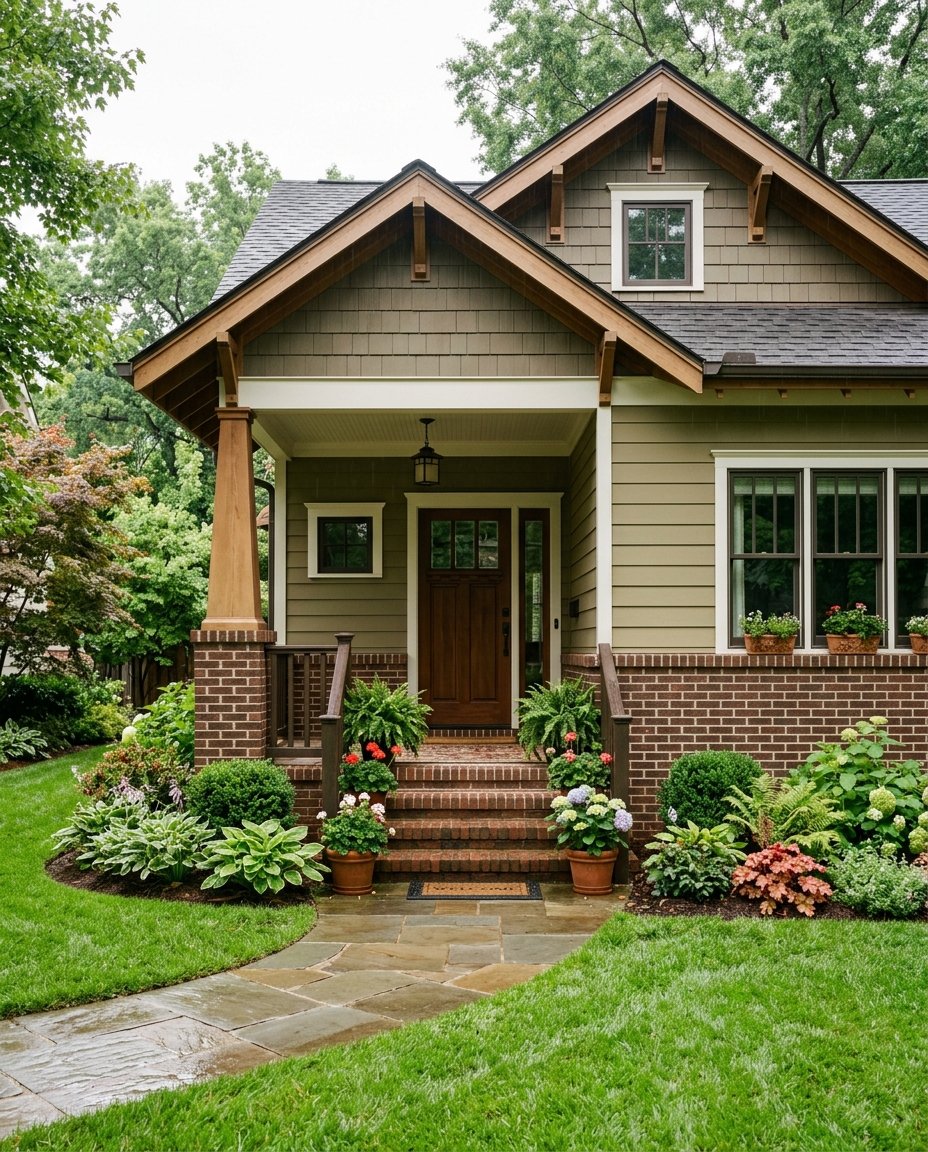
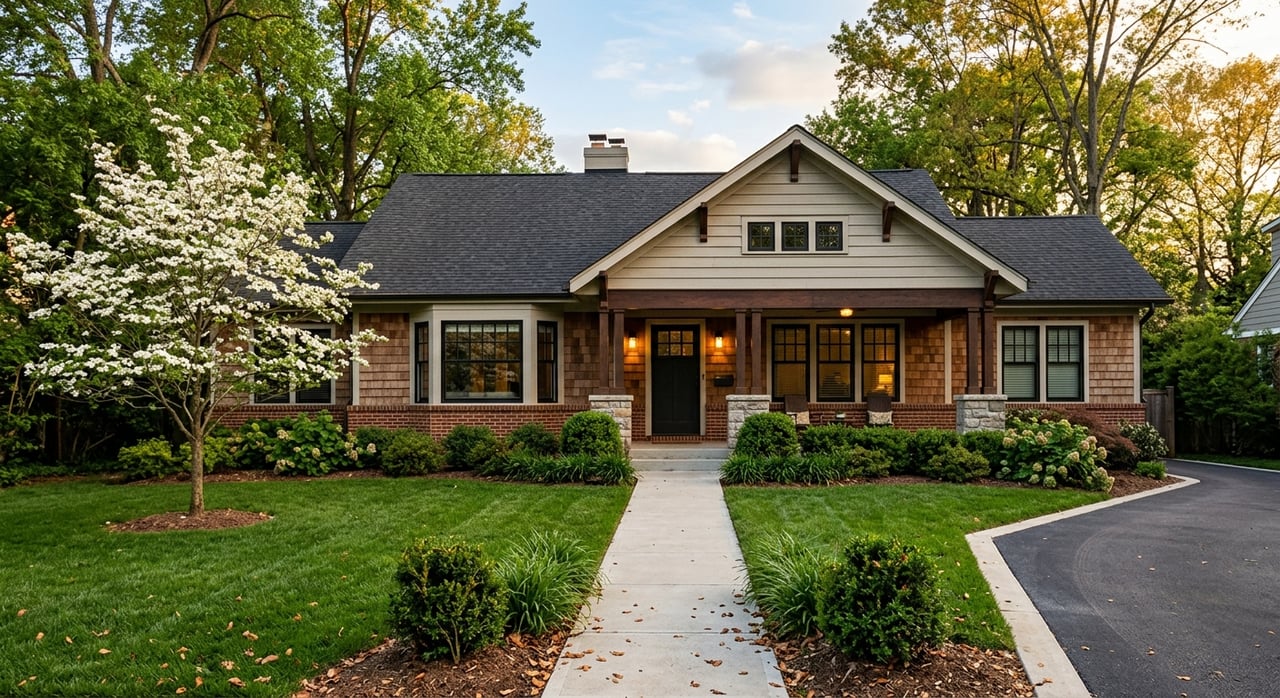
Housing ranges from early to mid 20th-century bungalows and craftsman homes to renovated historic properties on smaller lots. You will also see infill townhomes and condos, plus newer multifamily buildings closer to commercial corridors. If you like character homes with access to modern amenities, this mix offers options.
Market conditions change quickly. Homes near parks and river access often draw strong interest and can command premiums. For current median prices, days on market, and inventory, rely on the local MLS or Greater Chattanooga Association of Realtors data at the moment you are shopping. A tailored market brief will help you set a confident budget and offer strategy.
City planning and zoning rules shape what is allowed on each lot, including home-office uses and certain rental options. In recent years, infill and adaptive reuse projects have added new housing near main corridors. If you are sensitive to future changes in neighborhood character, review the city’s zoning map and recent planning agendas for active proposals near your target block.
If you want river access, a walkable pocket of dining and parks, and fast connections to downtown, North Chattanooga checks the boxes. The area’s mix of historic charm and new infill can fit many life stages, from first-time buyers to downsizers. The key is address-level due diligence on walkability, parking, flood risk, and school assignments. With a smart plan, you can land in the right pocket for your lifestyle.
Ready to explore homes and get a customized market brief for your price range and priorities? Connect with The O'Neil Team for neighborhood-savvy guidance and a clear next step.
Whether you are a first time home buyer or have previous experience purchasing a home, Steve, Michelle & Parker's goal is to help each of our clients understand the market and navigate the process of buying or selling a home, and feel confident and at ease throughout the entire process.