
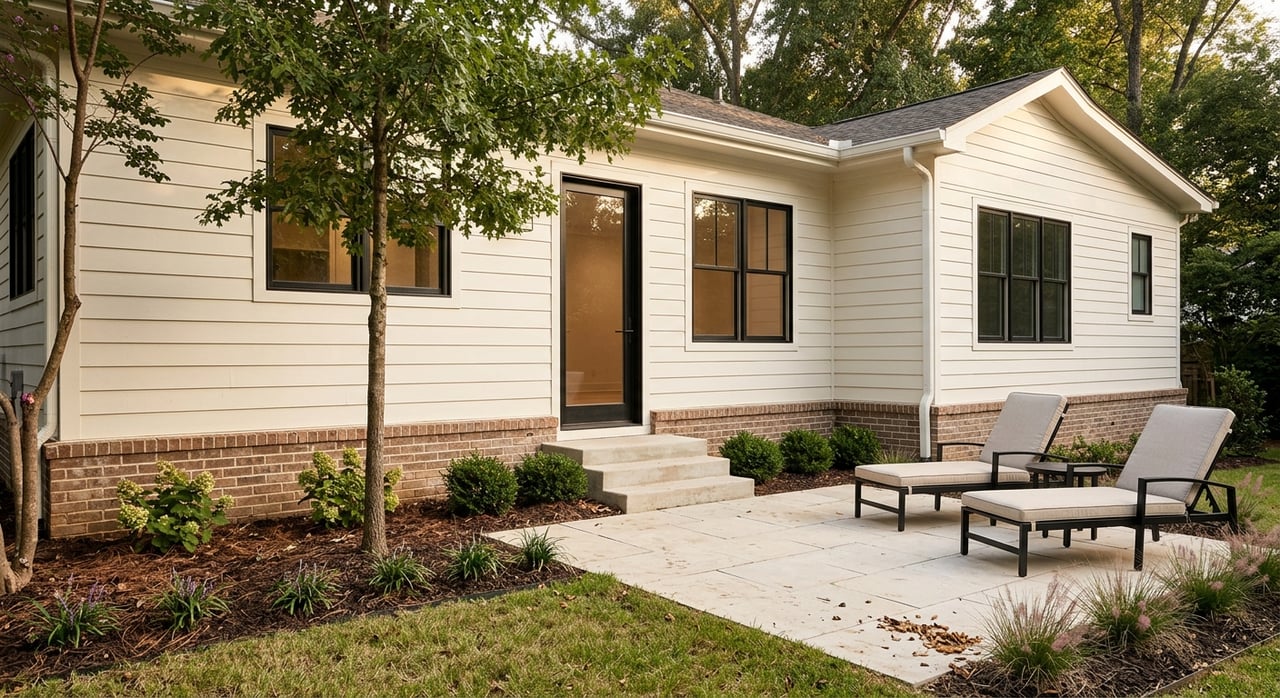
If you are torn between North Chattanooga and Red Bank, you are not alone. Both areas put you close to downtown Chattanooga, but they offer a different feel once you start looking at homes, streets, and day-to-day routines. This guide will help you compare lifestyle, housing, and practical tradeoffs so you can decide which area fits the way you want to live. Let’s dive in.
If you want the short version, North Chattanooga generally feels more urban, more walkable, and more tied into the riverfront and downtown experience. Red Bank usually offers more space, a broader mix of home types, and a lower recent sale-price level than North Chattanooga.
That does not mean one is better than the other. It means each area solves a different problem for buyers. Your best fit depends on whether you care more about being able to walk to local spots and parks, or having more lot size and a more traditional detached-home setting.
North Chattanooga sits on the north shore of the Tennessee River across from downtown Chattanooga and the Tennessee Aquarium. Local sources describe the area as connected to downtown by four bridges, including the Walnut Street Bridge, with access by walking, biking, and a free electric shuttle.
That setup shapes everyday life in a big way. If you like the idea of moving between home, downtown, the riverfront, and local businesses without always getting in your car, North Chattanooga stands out.
Red Bank is a separate city that is entirely surrounded by Chattanooga. Local utility and census sources show it is within about 10 minutes of downtown Chattanooga, and Census QuickFacts places the mean travel time to work at 18.9 minutes.
In real life, Red Bank still gives you convenient access to downtown while feeling more removed from the urban core. For many buyers, that balance is a major draw.
North Chattanooga is the more established pedestrian and recreation-focused district of the two. Official local sources highlight Frazier Avenue, Coolidge Park, Renaissance Park, the Walnut Street Bridge, and Stringer’s Ridge, along with access by foot, bike, or even watercraft.
You can feel that compact pattern when you spend time there. Restaurants, boutiques, riverfront space, and trail access are bundled together more tightly, which creates a stronger live-near-everything vibe.
Red Bank has a different rhythm. Its recreation setup is more park-and-trail oriented, with amenities such as White Oak Park, the White Oak Connector Trail, a traffic garden, ballfields, a swimming pool, and community center programming.
The city is also still building out parts of its pedestrian and mixed-use network. Planning documents emphasize growth along Dayton Boulevard and the Boulevard Greenway Corridor, which points to a place that is evolving rather than already built out in the same way as North Chattanooga.
If walkability is high on your list, North Chattanooga has the stronger case today. Chattanooga’s planning framework supports urban, mixed-use, walkable growth in the North Shore and downtown context, and that shows up in the area’s street life and connected amenities.
The outdoor side is also hard to ignore. You have riverfront access, parks, bridge connections, and Stringer’s Ridge, a 92-acre urban wilderness park with 7 miles of trails.
Red Bank still offers outdoor access, but it is less continuous. The White Oak Connector Trail links White Oak Park to Stringer’s Ridge, giving residents useful recreation connections without the same dense cluster of retail and riverfront destinations found in North Chattanooga.
For some buyers, that is actually a plus. You may prefer a setting where recreation is available nearby, but daily errands and activity centers are more spread out.
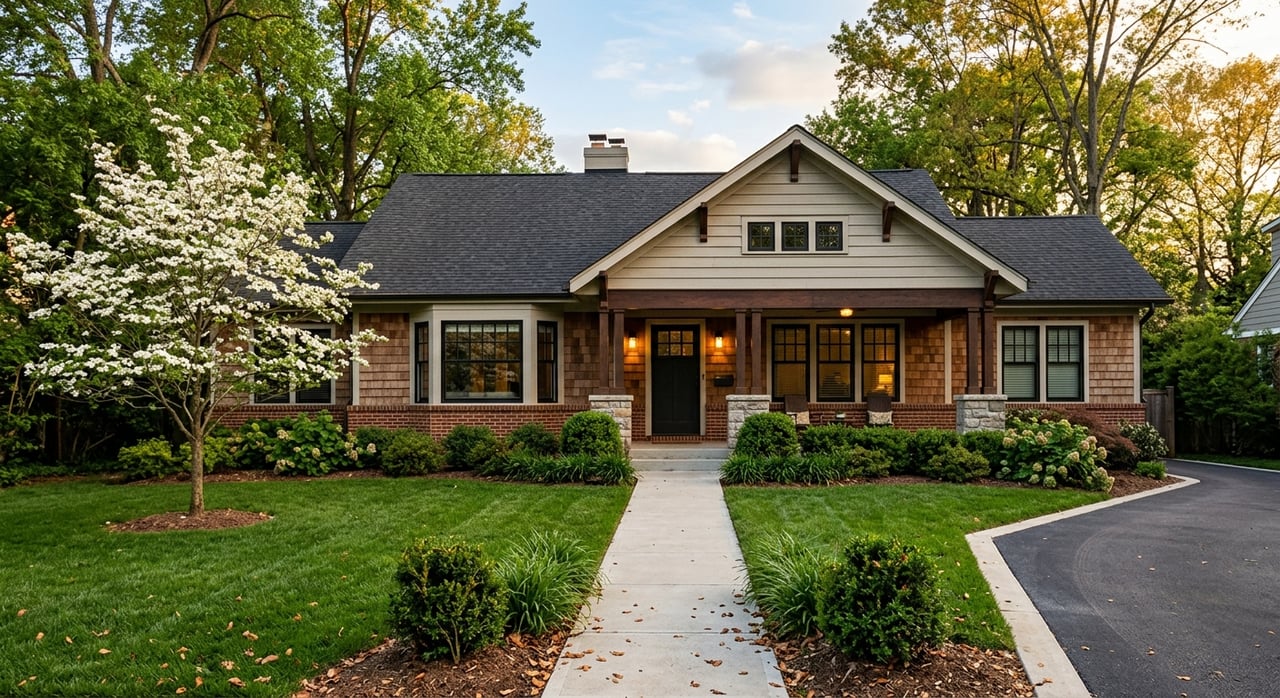
North Chattanooga has a mix of century-old cottages, bungalows, and modern homes. Market snapshot data also suggests modest lots in the core, with larger and more elaborate homes east of Hixson Pike.
The neighborhood snapshot reports a median year built of 1940, a median lot size of 8,276 square feet, and a median sale price of $620,000. Taken as a market snapshot, that points to an older, character-rich housing stock with a higher price point.
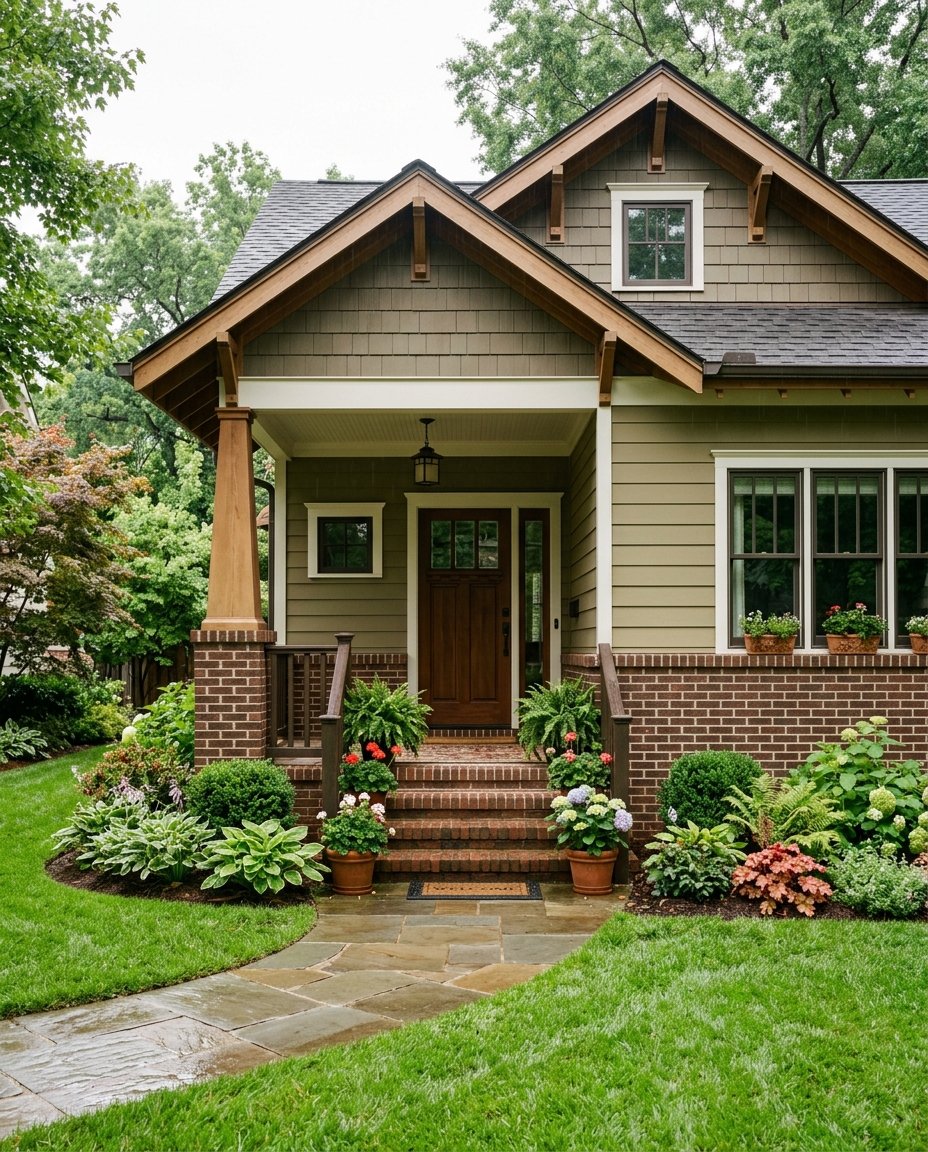
Red Bank offers a wider spread of styles. Current market guides describe early-20th-century bungalows, brick Tudor-style cottages, renovated ranches, split-level homes, newer contemporary farmhouses with Craftsman influence, plus pockets of townhomes and duplexes.
The same market snapshot reports a median sale price of $468,500, a median lot size of 11,325 square feet, and an average single-family home size of 2,108 square feet. Census Reporter also shows Red Bank remains mostly a detached-home city, with 66% of housing units in single-unit structures.
For many buyers, this is where the decision becomes clearer. North Chattanooga currently reads as the higher-priced, smaller-lot option, while Red Bank appears to offer more lot size for the money.
That does not guarantee the same result on every street or for every home. Still, if your budget is somewhere in the mid-market to upper-mid range, these snapshots suggest you may find it easier to prioritize yard space or square footage in Red Bank, while North Chattanooga may ask you to pay more for location and walkability.
North Chattanooga already has a more established urban pattern. Its form-based code framework is designed to support mixed-use, walkable, neighborhood-friendly growth, which helps explain why the area feels cohesive today.
For buyers, that can mean more predictability in how the district functions. The tradeoff is that you are often buying into a market where the lifestyle premium is already well recognized.
Red Bank is in more of a transition phase. Its comprehensive plan points to future sidewalk, bike-friendly, and mixed-use growth along key corridors, and the city has also been selected for the Tennessee Downtowns Program to strengthen its historic downtown district.
The city’s Midgate Commons announcement also reflects that direction, with a planned mixed-use project that includes retail, office space, apartments, and restaurant or retail outparcels near Highway 27. If you like the idea of getting into an area that is still adding amenities and connectivity, Red Bank may be worth a close look.
If you are considering new construction or a major addition in Red Bank, check sewer availability on the exact parcel early. WWTA notes a sanitary sewer moratorium affecting basins 05, 06, 07, and 08.
That does not affect every property the same way, but it is an important detail to verify before making plans around development potential.
Choose North Chattanooga if you want:
Choose Red Bank if you want:
Both North Chattanooga and Red Bank can be a smart fit, but they appeal to different buyers for good reasons. North Chattanooga tends to suit buyers who want an established riverfront, walkable, urban-adjacent lifestyle, while Red Bank tends to suit buyers who want more space and a neighborhood fabric that is still evolving.
If you want help comparing specific streets, home styles, or price points in these two areas, The O'Neil Team can help you narrow the options and make a confident move.
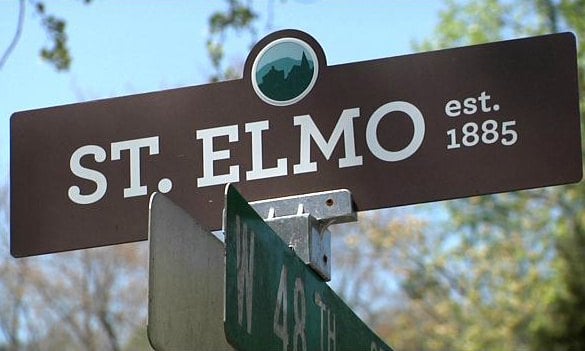
One of Chattanooga's Most Cherished Neighborhoods
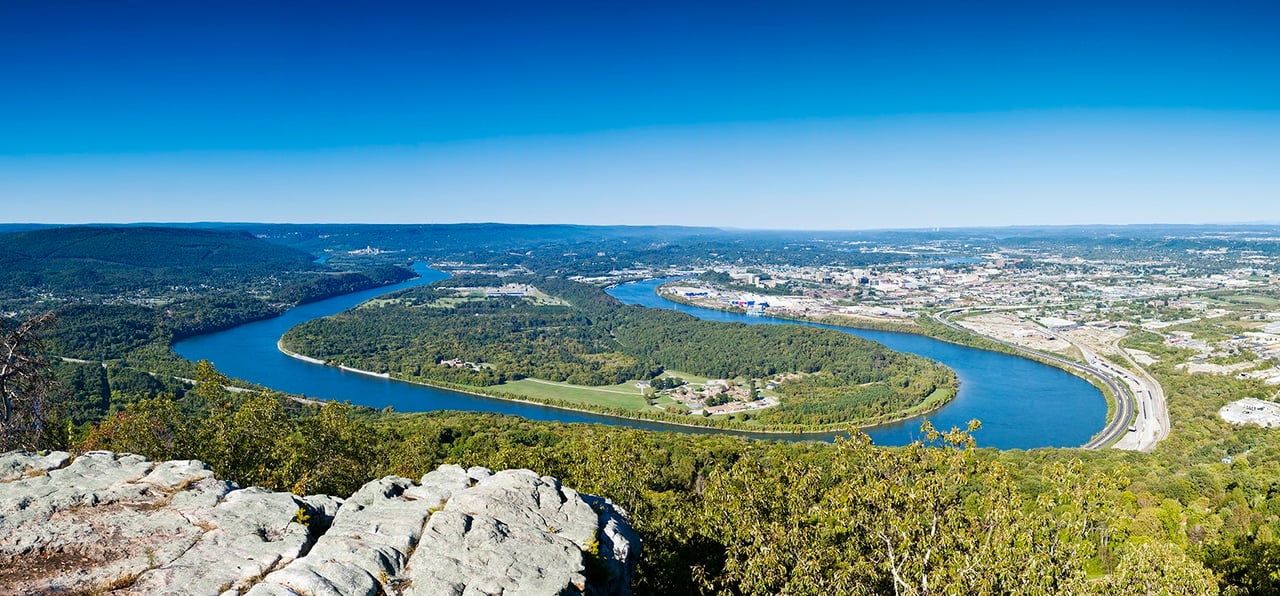
What today's market means for buyers, sellers and home owners
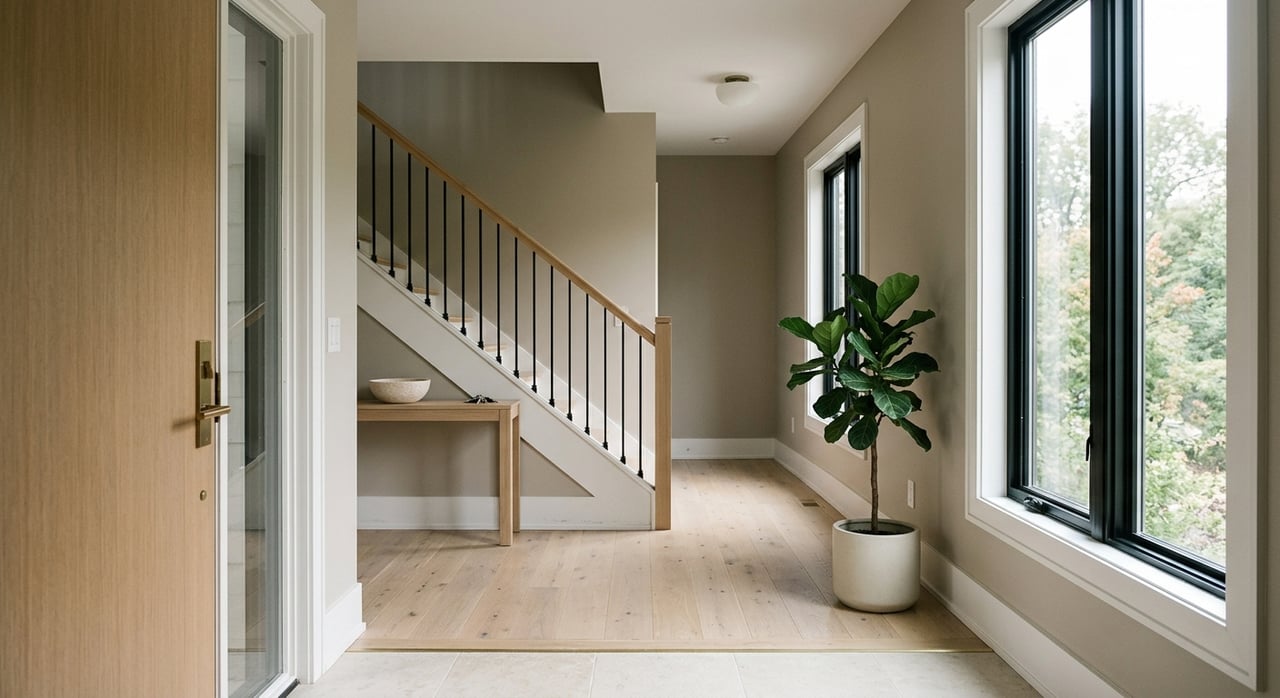
Whether you are a first time home buyer or have previous experience purchasing a home, Steve, Michelle & Parker's goal is to help each of our clients understand the market and navigate the process of buying or selling a home, and feel confident and at ease throughout the entire process.